
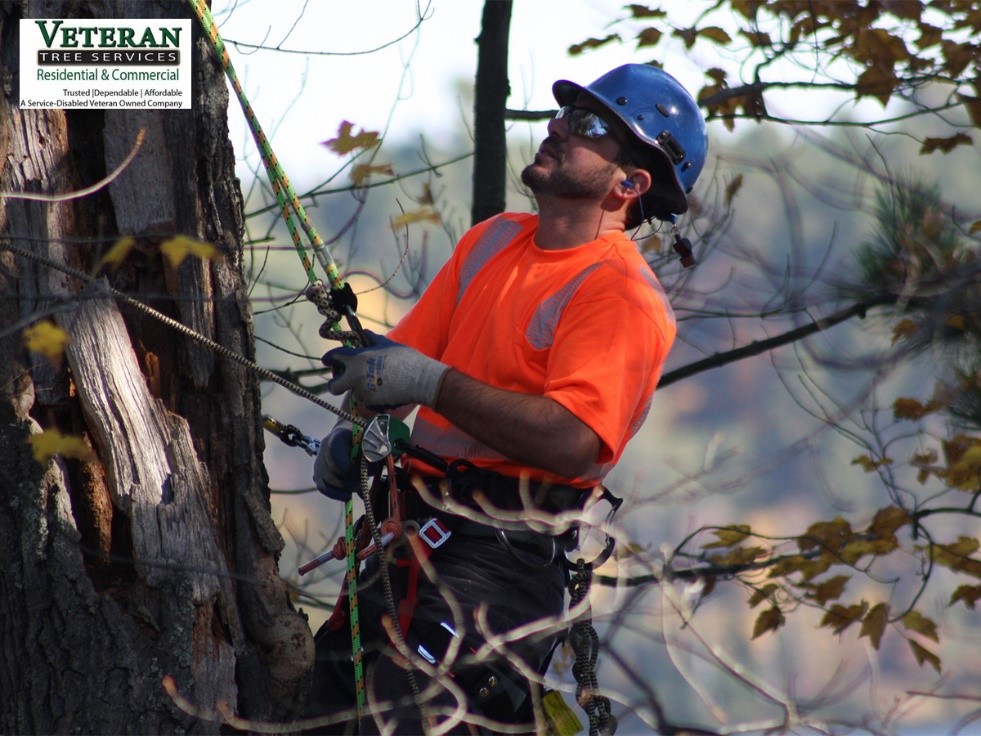
Tree removal in PG County, MD, is essential to eliminating hidden risks to the building structure, which most of the property owners do not recognize until the storm seasons uncover the weaknesses. The roots that are not stable, the trunks that are getting old, and the soil conditions that are changing are the main causes of these subtle threats that gradually affect roofs, driveways, and drainage patterns. Dealing with these problems unnoticed increases the risk of sudden damage that will be very expensive to repair.
Veteran Tree Services observes how early evaluation helps limit hazards before severe weather intensifies branch pressure or destabilizes the ground. This blog explores the technical side of identifying risks, improving landscape safety, and maintaining long-term structural performance, ensuring your outdoor environment remains predictable, functional, and secure.
Why Unsafe Trees Are a Growing Liability?
Trees weakened by age, disease, or internal decay can cause complex structural issues. Overextended branches may fall during storms, while compromised trunks might lean into roofs, boundary walls, or nearby buildings. Many properties have experienced sudden damage when hidden root infections began spreading through the soil.
Veteran Tree Services regularly evaluates these long-term risks by mapping soil movement, trunk load-bearing capacity, and seasonal stress patterns. These assessments help determine when immediate action is needed and when monitored care provides enough stability.
How Strategic Removal Preserves Structural Integrity?
Removing unstable or poorly positioned trees prevents compression stress on exterior walls, fencing, and underground drainage systems. A single large tree often carries root pathways that spread unpredictably, reaching areas far from the main trunk. When these roots disrupt pavement or foundation layers, the cost of repair rises sharply.
Routine clearance, pruning, or removal limits these complications and supports balanced load distribution across the property. By taking measured action early, you avoid major disruptions that typically occur after years of unnoticed root expansion.
Ground Stability and Drainage Protection
Improper root patterns frequently interfere with ground grading. If the soil becomes displaced, rainwater may start pooling around building edges, basements, or driveways. Over time, this saturation weakens the ground layer needed for proper support.
Tree clearance reduces this pressure by creating better drainage channels and restoring soil alignment. Veteran Tree Services recommends evaluating drainage after every heavy season, as shifting patterns often develop slowly before creating visible damage.
Preventing Storm-Driven Emergencies
Seasonal storms that occur in the area can cause the tension in the branches to escalate and, as a result, sudden breaks to happen. Moderate trees that are fairly healthy might still give way in case the soil gets very wet, mostly when wind pressure is directed to the canopy at an unfavorable angle.
Professional removal minimizes these risks by spotting trees that have become structurally weak. The method also provides a safer environment for residents, nearby people, and vehicles that are passing by.
When Surrounding Counties Face Similar Risks
Tree instability is not limited to a single region; nearby areas experience the same concerns, especially where older neighborhoods have mature trees standing close to homes.
For instance, Tree Service in Howard County often deals with similar issues involving failing limbs, deteriorating trunks, and long underground root systems influencing property stability. These regional similarities make consistent inspection a smart long-term strategy.
Root Damage and Underground Conflicts that are Hidden
Subsurface issues caused by roots can compromise water lines and underground wiring. When soil is expanded repeatedly by root pressure, pipes begin shifting until they eventually crack.
Veteran Tree Services uses mapping tools to locate underground pathways before removal begins. This helps avoid accidental utility damage and maintains a safe working environment for your property.
Handling Difficult Stumps After Removal
Simply removing trees does not remedy every problem. Due to very large roots and tree stumps still sucking up water, drawing in bugs, or getting in the way of new landscaping.
This is the main reason why the vast majority of folks ask for large stump removal in PG County, particularly when land clearing includes very old trees. The elimination of these leftovers not only makes soil restoration and insect colony prevention possible but also opens the area for new construction or gardening projects.
Supporting Long-term Landscaping Plans
A well-planned removal strategy not only protects existing structures but also improves layout planning for future outdoor features. Clear spaces give you the flexibility to design patios, expanded driveways, or garden zones without existing root interference.
By working with an experienced service provider like Veteran Tree Services, property owners gain access to long-term planning support, ensuring new installations remain safe from underground disruptions.
Reach Us Today!
If your landscape shows leaning trunks, falling branches, or root-related issues, immediate assessment can prevent major damage. Reach Veteran Tree Services for safe, reliable support. Reach Veteran Tree Services at (301) 335-5143 to schedule a rapid inspection and professional guidance tailored to the structural needs of your property.
Conclusion
Property protection begins with identifying risks before they escalate, especially when weakened trees already show signs of structural decline. Many landscapes experience a combination of soil pressure, canopy imbalance, or underground conflicts that gradually affect nearby buildings. When these patterns continue, the chance of sudden damage increases significantly. Services involving tree removal in PG County, MD, demonstrate how preventive action keeps rooflines safe, supports long-term drainage stability, and maintains healthy soil conditions. This method grants a better perspective, a tougher backing from the ground, and more freedom in planning future updates. If properly evaluated and assisted in due time, then the outdoor space will still be safe, functional, and not so difficult to maintain throughout the year.