
Tree removal in Northern Virginia has always raised one central question: what actually allows crews to handle massive, hazardous, and structurally complicated trees with precision?
Every property owner wonders how experts lift trunks over rooftops, avoid utility lines, and keep workers safe while tackling trees that once seemed impossible to manage. This curiosity becomes even stronger when the trees are decayed, storm-damaged, or leaning dangerously close to buildings.
In this blog, you will see how modern crane and bucket systems transformed the process and why they have now become the backbone of complex removals.
Why Normal Tree Cutting is Not Enough Sometimes?
Some trees stand in open areas and are easy to cut. Others lean, split, or grow between buildings, making them risky to climb. If a worker tries to cut such trees with only ropes, the branches may swing unpredictably.
It also takes more time because every section must be lowered slowly. In these cases, standard cutting does not offer enough control. Machines that can lift, hold, and reach high points make the job safer and smoother.
How Cranes Make Difficult Tree Jobs Safer?
A crane works like a strong helper that can hold up heavy pieces of a tree. Before workers make a cut, the crane lifts the part so it will not fall or swing. This gives the crew full control. It also helps them remove large pieces in one lift instead of many small cuts.
This process has changed how veteran tree crews plan jobs, especially when old-growth stems exceed 100 feet. Because cranes remove multiple pieces in fewer cycles, they save hours of labor. They also reduce friction on lawns and prevent machines from moving repeatedly over sensitive areas.
How Bucket Trucks Help in Hard-to-Reach Areas?
Bucket trucks let workers reach points that climbers once struggled to access. The stable platform helps them cut branches at safer angles, especially when the tree is decayed or unpredictable.
Buckets also help crews shape the work area before crane lifting begins. This makes the removal more organized and reduces unnecessary cuts.
Working Together: Cranes and Bucket Trucks
When both machines are used together, tree removal becomes a careful and well-planned team effort. The bucket worker trims thin or outer branches first. Then the crane lifts the heavy trunk sections. This reduces the chances of branches breaking in the wrong direction.
This teamwork also stops the machine operators from repeating steps, which saves time. Both machines help create a clean and organized cutting path, so the crew knows exactly what to do next.
Keeping Homes and Yards Safe During Removal
Some trees grow close to powerlines, windows, sheds, or walkways. With crane lifting, workers do not need to drop branches or drag them across the yard. The crane picks the section up and moves it carefully over obstacles.
Modern removal teams follow spatial safety protocols: ground crews maintain communication radii, climbers remain detached from cutting zones, and crane operators rely on structured hand signals or radio systems. Because the crane absorbs the load instead of workers, force distribution becomes predictable.
Even tight areas, like small backyards, can be handled without stress. The crane holds the tree pieces in the air and places them where workers can chop and load them easily.
How These Tools Speed Up the Whole Job?
Cranes shorten project time by eliminating the need for small incremental cuts. A job that may have taken two days can sometimes be completed in a few hours. This has reshaped cost structures, reduced noise impact on neighborhoods, and improved workflow scheduling.
This efficiency also benefits customers who need emergency removal after storms. This helps when storms damage trees. After heavy wind or rain, people want their broken trees removed fast so no more harm happens. Cranes allow crews to reach unsafe trees quickly and prevent further problems.
Cleanup After the Tree is Removed
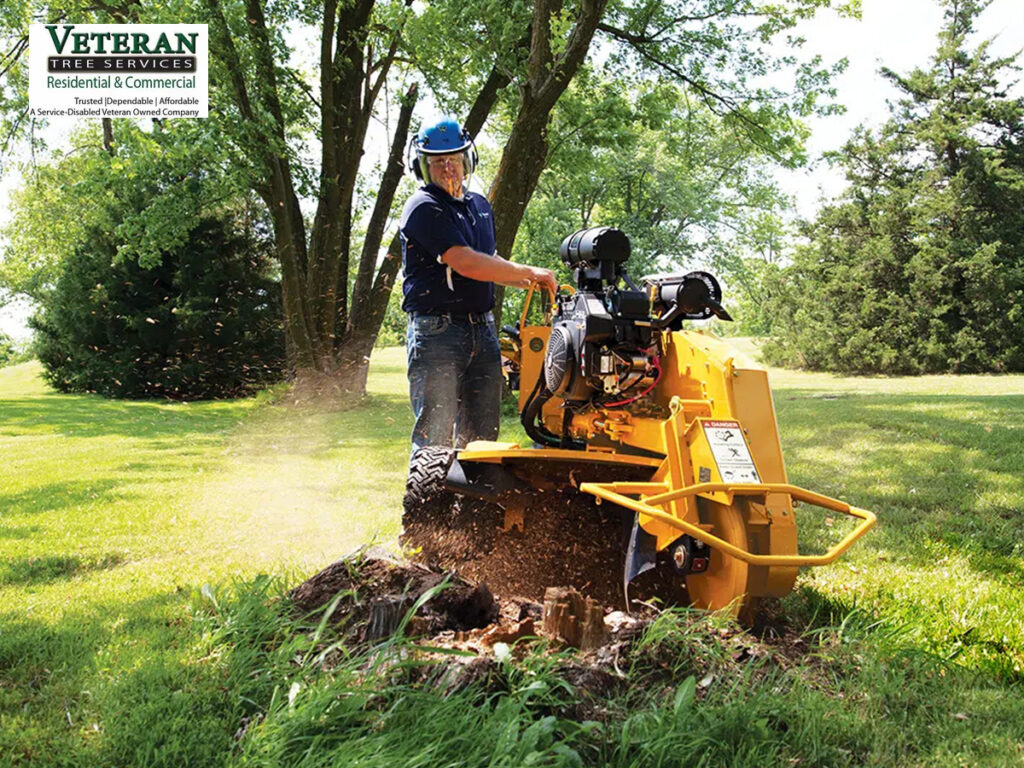
After the tree is dismantled, most properties require cleanup, stump handling, and soil correction. Many crews now integrate tree stump grinding in Baltimore-level precision, using advanced grinders that eliminate the remaining root plate with minimal disruption. This ensures the space becomes usable again, whether the goal is replanting, landscaping, or construction.
The ability to move immediately from crane removal to stump work has tightened project completion timelines for many contractors.
Why Complex Trees Need Careful Planning?
Each tree is different. Some trees grow tall and straight; others may lean or split. Crews check the height, width, and direction the tree is leaning. They also check if the wood is strong or weak. Using this information, they choose the right cutting plan.
Cranes help workers handle giant trunks. Bucket trucks help with tight spots. Ground crews guide and move pieces safely. When all these parts work together, the whole job becomes smooth and simple.
The Last Line
Tree removal in northern Virginia has become far more predictable, safer, and structurally efficient because of crane and bucket systems. The process that once demanded rough estimates now operates with engineered precision.
If you want expert guidance, reliable execution, and professional planning for challenging removals, Veterans Tree Services offers a system designed around safety, accuracy, and efficiency.
Frequently Asked Questions
Get Expert Tree Removal Support Today
Are you ready to get your trees removed quickly and safely? Contact Veterans Tree Services today for professional tree removal in Northern Virginia.
For safe, technical, and clean removal handled by trained specialists, call us on, call us on (301) 335-5143.